


Shopping Basket
Add £40 to unlock free shipping
Onevit health hub
Turmeric Supplements: Benefits, Dosage and Side Effects
written by

The OneVit Team
Updated on
12th June 2026
10 min
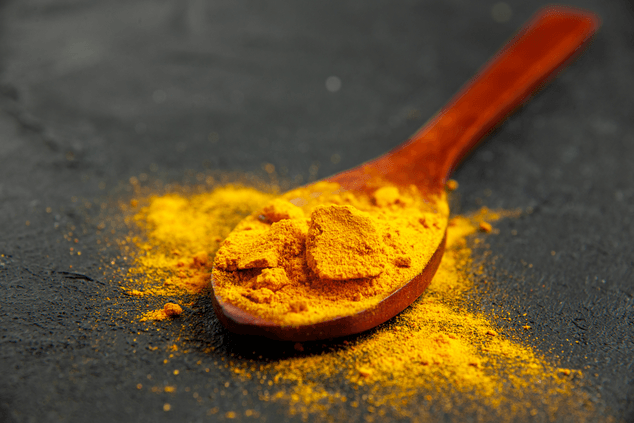
Turmeric supplements are among the most popular botanicals in the UK, but there's plenty of confusion about what they actually do. The active compound in turmeric is curcumin, and the research behind it is substantial - though what happens in your body depends a great deal on how the supplement is formulated, what dose you take, and what you pair it with. This guide covers the science of curcumin, why turmeric and black pepper capsules work better together, what side effects to be aware of, and who should speak to a GP before starting.
- What is turmeric, and what is curcumin?
- What does curcumin do?
- Turmeric supplements vs turmeric in food
- Why turmeric and black pepper capsules go together
- How to take turmeric supplements
- Turmeric supplement side effects
- Who should be cautious with turmeric?
- OneVit Turmeric & Black Pepper
- Frequently asked questions
What is turmeric, and what is curcumin?
Turmeric (Curcuma longa) is a root plant native to South and Southeast Asia. It's been used in cooking for thousands of years and has a long history in Ayurvedic and traditional Chinese medicine, where it's been applied to support digestion, skin health, and joint comfort, among other things.
The compound that's attracted the most scientific attention is curcumin - a polyphenol responsible for turmeric's distinctive yellow colour. Curcumin belongs to a group of compounds called curcuminoids, and it makes up roughly 2 to 9% of dried turmeric root by weight.1 Turmeric supplements are typically standardised to contain much higher concentrations, often 95% curcuminoids, giving you a considerably more consistent and concentrated dose than you'd get from cooking with the spice.
Curcuminoids have well-characterised antioxidant properties. This means they have the capacity to neutralise free radicals - unstable molecules produced by the body and by environmental exposures such as pollution and UV radiation - that can otherwise contribute to cell damage over time.
What does curcumin do?
Curcumin has been studied in thousands of clinical and laboratory investigations. Research has explored its potential role in areas including joint health, cardiovascular function, digestive support, and cognitive wellbeing.2 The scientific interest largely stems from its antioxidant and anti-inflammatory properties at a biochemical level, which researchers believe may have downstream relevance to several chronic conditions.
It's worth being direct about what the evidence does and doesn't show. Curcumin is not a licensed medicine, and it doesn't treat or prevent any specific medical condition. Many studies have been conducted in laboratory settings or in small human trials, and results are not always consistent across research populations, doses, and formulations. That said, the body of evidence is meaningful and continues to grow, particularly in areas like joint health and antioxidant protection.
The antioxidant properties of curcumin are among its most robustly described characteristics. It acts as a free radical scavenger, helping to neutralise reactive molecules that would otherwise interact with and damage cells. Consistent supplementation over weeks to months is how the research has typically been structured, so it's not something where short-term use tells you much.
Turmeric supplements vs turmeric in food
Including turmeric in cooking is a simple way to bring it into your diet, but the curcumin content of culinary turmeric is quite different from that of a standardised supplement.
A teaspoon of turmeric powder weighs roughly 3g and contains around 2 to 9% curcumin, giving you somewhere between 60mg and 270mg of curcuminoids at most - and often far less, depending on the quality and age of the spice.1 A standardised turmeric supplement, by contrast, typically provides 500mg or more of extract standardised to 95% curcuminoids per capsule. The concentration difference is significant.
There's also a bioavailability problem with curcumin that applies regardless of the source: it's poorly absorbed on its own. The liver and gut break it down rapidly before it can reach the bloodstream in therapeutically relevant quantities.3 This is where formulation - and specifically the inclusion of black pepper extract - becomes important.
Why turmeric and black pepper capsules go together
The combination of turmeric and black pepper has roots in Ayurvedic medicine, and modern research has validated the science behind it. Black pepper contains an alkaloid called piperine, which dramatically improves the amount of curcumin your body can absorb and use.
A landmark study published in Planta Medica in 1998 found that just 20mg of piperine taken alongside curcumin increased curcumin bioavailability by up to 2,000% in human volunteers.4 The mechanism operates through several pathways. Piperine inhibits the liver enzymes that would otherwise break curcumin down rapidly, increases the permeability of the intestinal wall to allow more curcumin through, and slows the rate at which curcumin is cleared from the body.
This is why most quality turmeric supplements include black pepper extract as a standard ingredient. Without piperine, even a high-dose turmeric capsule delivers only a fraction of its potential.
Curcumin is also fat-soluble, which means it absorbs better when taken alongside a meal that includes some healthy fat. Eggs, avocado, olive oil, and oily fish are all practical options. This fat-solubility is something it shares with omega-3 fatty acids - if you take OneVit Omega 3, pairing it with your turmeric capsule at the same meal is a convenient and practical approach.
How to take turmeric supplements
There's no standardised licensed dose for turmeric supplements in the UK, since curcumin is a botanical ingredient rather than a regulated medicine. Human clinical studies have used daily curcumin doses ranging from around 500mg to 2,000mg, with 500mg to 1,000mg per day being the most common range for general supplementation.3
Take with food. Curcumin's fat-solubility means taking your supplement with a meal that includes some fat significantly supports absorption. It also reduces the risk of digestive discomfort, which is more common when supplements are taken on an empty stomach.
Follow the label dose. Don't exceed the stated dose on your product. Higher amounts aren't necessarily more beneficial, and at very high doses turmeric is associated with side effects (see below).
Allow time. Research on turmeric typically runs over four weeks or more. It's not a supplement where you'd expect to notice effects within days. Consistent daily use over weeks is how the evidence has been gathered.
Iron supplements. Curcumin can reduce the absorption of non-haem iron. If you take an iron supplement, try to space it at least two hours away from your turmeric capsule.5
Digestive support. If you find your system is sensitive to supplements generally, taking a digestive enzyme product like OneVit Digestive Health Complex with your main meal may help support comfortable digestion alongside your supplement routine.
Turmeric supplement side effects
At the doses used in most standard supplements, turmeric is generally well tolerated. Side effects are more likely at higher doses, typically above 2,000mg of curcumin per day, and include:5,6
Digestive discomfort. The most commonly reported issue at higher doses is mild GI disturbance: bloating, nausea, or loose stools. Taking supplements with food, rather than on an empty stomach, substantially reduces this risk.
Headache. Some people taking doses of 500mg or above have reported headaches. This appears to be uncommon and doesn't tend to persist with continued use.
Skin rash. A minority of people have reported mild skin reactions. If this happens, stop the supplement and speak to your GP or pharmacist.
Yellow discolouration. At very high doses, turmeric can temporarily cause yellow-coloured stools. This isn't harmful, but it can be unexpected.
If you experience any persistent or concerning side effects, stop taking the supplement and seek advice from a GP or pharmacist.
Who should be cautious with turmeric?
Turmeric supplements aren't appropriate for everyone. The following groups should speak to a GP or pharmacist before taking them:
People on blood-thinning medication. Curcumin has mild anticoagulant properties and can interact with warfarin, aspirin, clopidogrel, and other antiplatelet or anticoagulant drugs.7 The Welsh Medicines Advice Service (part of NHS Wales) advises caution when turmeric is taken alongside such medications, noting that it may increase bleeding risk and, in the case of warfarin, may affect how quickly the drug is cleared from the body. This is a clinically significant interaction. If you're on any blood-thinning medication, do not take turmeric supplements without speaking to your prescriber first.
People with diabetes or on diabetes medication. Curcumin may have blood-glucose-lowering effects. If you take insulin, metformin, or other diabetes medications, taking turmeric supplements without guidance could increase the risk of hypoglycaemia.7
People with gallbladder problems. Turmeric stimulates bile production. If you have gallstones, a bile duct obstruction, or another gallbladder condition, turmeric supplements may aggravate symptoms and aren't recommended without medical advice.5
Before surgery. Because of its mild antiplatelet effects, it's generally advised to stop turmeric supplements at least two weeks before any planned surgical procedure.
During pregnancy. Turmeric supplements at medicinal doses should be avoided during pregnancy. At high doses, turmeric has been associated with uterine stimulant effects. Culinary use of turmeric is considered fine; supplement doses are not recommended without medical guidance.
OneVit Turmeric & Black Pepper
OneVit Turmeric & Black Pepper provides 500mg of turmeric root extract per capsule, standardised to 95% curcuminoids, alongside 5mg of black pepper extract (piperine). The piperine dose matches that used in the key bioavailability research, and the standardisation to 95% curcuminoids means each capsule delivers a consistent, concentrated dose of the active compounds in turmeric rather than the variable amounts found in non-standardised products.
The formula directly addresses the core limitation of standalone curcumin supplementation: without piperine, most of the curcumin in a turmeric capsule passes through the body largely unabsorbed. With it, absorption increases substantially, making each capsule far more likely to deliver its intended benefit.
OneVit Turmeric & Black Pepper is suitable for vegans. Take one capsule daily with a meal that includes some healthy fat for best absorption. If you take iron supplements, space them at least two hours apart.
Frequently asked questions
What are turmeric supplements used for? Turmeric supplements are most commonly taken for their curcumin content, which has antioxidant properties and has been extensively studied for its potential role in supporting joint health, digestive function, and general cell protection. Curcumin doesn't treat or prevent any specific condition, but it has a long history of traditional use alongside a substantial and growing body of scientific research.
Why do turmeric supplements contain black pepper? Curcumin on its own is poorly absorbed. It's broken down rapidly by the liver and gut before it can reach the bloodstream in meaningful quantities. Piperine, the active compound in black pepper, inhibits the enzymes responsible for this and has been shown in human research to increase curcumin bioavailability by up to 2,000%. Without it, most of a turmeric supplement passes through without being absorbed.
How long does turmeric take to work? Most human clinical studies use supplementation periods of four weeks or more before measuring outcomes. You're unlikely to notice any effects within the first few days. Consistent daily use over several weeks is how the research has been structured, and it's how turmeric is best used - as a long-term addition to your routine rather than a short-term fix.
Can I take turmeric supplements every day? Yes, daily supplementation at standard doses (typically 500mg to 1,000mg of curcumin extract) is generally well tolerated in healthy adults. If you have any underlying health conditions or take prescription medication, speak to your GP or pharmacist first.
Is it safe to take turmeric with blood pressure tablets? It depends on the medication. Curcumin can interact with certain cardiovascular drugs including blood thinners like warfarin, aspirin, and clopidogrel, and may also affect how some other medications are metabolised. If you take any cardiovascular medication, check with your GP or pharmacist before starting turmeric supplements.
Can turmeric affect iron absorption? Yes, curcumin can reduce the absorption of non-haem iron. If you take an iron supplement, space it at least two hours away from your turmeric capsule to minimise any interference.
Who shouldn't take turmeric supplements? People on blood-thinning medication (warfarin, aspirin, clopidogrel), those with gallbladder conditions, pregnant women, people with diabetes taking medication to lower blood sugar, and anyone due to have surgery in the near term should either avoid turmeric supplements or speak to a healthcare professional before starting.
References
- Tayyem RF, Heath DD, Al-Delaimy WK, Rock CL. Curcumin content of turmeric and curry powders. Nutrition and Cancer. 2006;55(2):126-131. https://pubmed.ncbi.nlm.nih.gov/17044765/
- Harvard Health Publishing. Turmeric benefits: A look at the evidence. March 2024. https://www.health.harvard.edu/staying-healthy/turmeric-benefits-a-look-at-the-evidence
- Examine.com. Curcumin. Updated 2026. https://examine.com/supplements/curcumin/
- Shoba G, Joy D, Joseph T, Majeed M, Rajendran R, Srinivas PS. Influence of piperine on the pharmacokinetics of curcumin in animals and human volunteers. Planta Medica. 1998;64(4):353-356. https://pubmed.ncbi.nlm.nih.gov/9619120/
- Healthline. Turmeric side effects: What you need to know. Updated 2024. https://www.healthline.com/nutrition/turmeric-side-effects
- MedicineNet. Which medications should not be taken with turmeric? 2022. https://www.medicinenet.com/which_medications_not_to_take_with_turmeric/article.htm
- Welsh Medicines Advice Service (NHS Wales). Turmeric: potential interactions. October 2024. https://www.wmic.wales.nhs.uk/turmeric-potential-interactions/
This article is for informational purposes only and does not constitute medical advice. If you are concerned about turmeric supplementation or its potential interactions with any medication you take, consult a GP or qualified healthcare professional.
Subscribe to our newsletter for similar articles & knowledge on supplements